Dynamic electricity tariffs have finally arrived in Ireland. But will a dyanmic tariff save you money? Kilowatt.ie has dug deep into the numbers, and as you'll see, the truth about dynamic tariffs is far different from the standard narriative.
What is a dynamic electricity tariff?
A dynamic electricity tariff tracks the wholesale electricity price on a half-hourly basis. Each evening, the prices for every half-hour period of the following day are published, so you can see in advance when electricity will be cheap and when it will be expensive.
The Irish utility regulator has decided that bills for consumers on a standard dynamic tariff will have four parts:
Standing charge: A flat charge regardless of your usage.
Base unit rate charge: A flat rate per kWh of imported electricity. Typically varies across day, night, and peak bands.
Dynamic unit rate charge: Equal to the wholesale electricity price (from the day-ahead market), up to a cap (currently €0.50 per kWh).
Taxes and levies: VAT and the PSO levy.
The dynamic component is the same for every supplier. Base rates and standing charges are where supplier charges differ.
The first dynamic offers in Ireland
As of the 4th of June 2026, here's how current dynamic tariff offers stack up for the average Irish household (4,200 kWh per year), using the last 12 months of wholesale prices and no load-shifting:
| Supplier | Tariff | Annual cost |
|---|---|---|
| Bord Gáis Energy | Smart Dynamic | €1,578 |
| Electric Ireland | Standard Dynamic Tariff | €1,604 |
| Energia | Smart Dynamic | €1,627 |
| Yuno Energy | Dynamic Plan | €1,789 |
| PrePay Power | Smart Pay Dynamic | €1,954 |
You can run a custom price comparison of dynamic electricity tariffs which factors in your own electricity consumption pattern using the Kilowatt.ie electricity price comparison tool. Load shifting can bring those numbers down substantially.
Big takeaways: The dynamic component is only around €525 based on wholesale electricity prices for the 12 months to date. The vast majority of the cost is not for the electricity itself, but for grid fees and supplier margins.
The standard narriative on dynamic tariffs is wrong
The standard narriative on dynamic tariffs goes like this: Dynamic tariffs will be best for tech-savvy households that can shift big loads around, and they carry a real risk of frightening bill spikes. But that's wrong. When you actually dig a bit into the numbers on dynamic tariffs, you'll find some surprises.
Surprise 1: Dynamic tariffs are not currently the cheapest for the households with most load shifting
At the time of writing, you can get an EV tariff with a unit rate of under 8 cent per kWh. That's the fully-inclusive rate from 2 am until 5 am each night.
That's less than the current cheapest dynamic base rate alone.
Add the dynamic component on top, and dynamic tariffs have no chance of competing with current EV tariff offers for households who can, with the help of load shifting, squeeze nearly all of their usage into the EV band.
Caveat: The situation could quite easily change over the coming years. Already in the first half of 2026, there's been a trend of increaseing EV rates and even the lowest unit rate offer being closed to new customers. If this trend continues (and it's likely to, given that EV rates are loss-leaders which a lot of customers have been able to exploit thoroughly), combined with dynamic offers improving as the market matures, then dynamic tariffs could soon overtake EV tariffs as the cheapest option for those with lots of shiftable loads or home battery storage.
Surprise: Bills can spike on a dynamic tariff... much like any other variable-rate tariff
There's a scary story going aroud about dyanmic tariffs. The price can change in an instant, you could be landed with a "shock bill" due to "wild price spikes".
But the reality is much more mundane.
I took the Bord Gáis rates dynamic base rates as of 2026-06-04, and ran the numbers for two years with extreme (in opposite directions) wholesale electricity prices.
| Year | Average Wholesale Electricity Price | Annual Bill |
|---|---|---|
| 2020 | €37.67 | €1227.37 |
| 2022 | €226.53 | €2091.13 |
As you can see, there's a big difference... but it's about the same swing that customers on ordinary, non-dynamic tariffs experienced over those same years. Dynamic pricing doesn't so much make bill spikes drastically works; it just makes them instant and explicit instead of arriving a few months later via a price-change letter.
The deeper point is this:
what_you_pay = cost_of_supply + margin
That equation holds for every tariff, dynamic or not. Wholesale prices get passed through to consumers one way or another. The only thing a dynamic tariff changes is the timing and transparency of that pass-through.
That doesn't mean volatility is nothing. For a household under week-to-week financial strain, where even a moderate bill spike could be stressful, I'd still steer clear of dynamic tariffs. But for most households, the spike risk is not dramatically worse than with a normal variable-rate tariff.
But there are real dynamic traiff downsides
Uncertainty: your bill will move with the wholesale market month to month. If predictable bills matter more to you than the last few euro of saving, a standard tariff will reamin the safer choice.
Complexity: some people simply don't want to think about electricity prices at all. There's nothing wrong with paying a little extra for the freedom never to check a price chart.
Making the most of a dynamic tariff
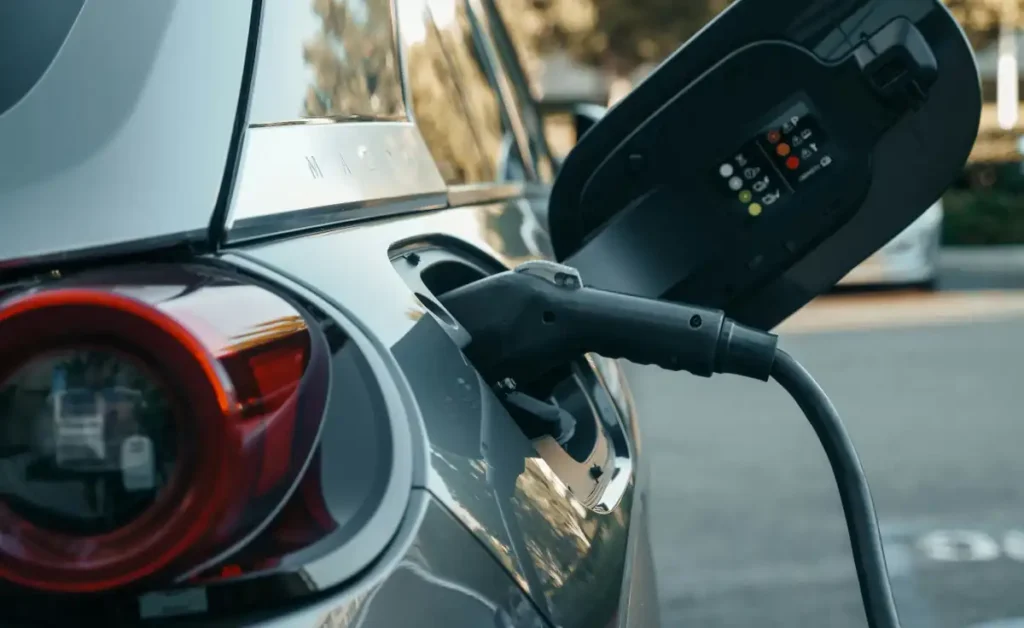
If you do go dynamic, the savings improve when you can shift large, flexible loads into the cheapest half-hours:
| Item | Shiftable Energy | Comment |
|---|---|---|
| EV Charging | 35 kWh | ~35 kWh to charge a typical EV from 40% to 90% |
| Water heating | 11 kWh | ~11 kWh to heat a tank of water with an immersion heater. This can be scheduled with an app if you have a smart immersion timer |
| Home battery charging | 5 kWh – 20 kWh | Cheap stored electricity can be saved to be used later |
With the right hardware you can already schedule these loads manually, and automation tools that respond to the published day-ahead prices are likely to become common as dynamic tariffs spread. But remember: if load-shifting is your main goal, check a dedicated EV / off-peak smart tariff before assuming dynamic is the cheapest route.
Should you choose a dynamic tariff right now?
For the current crop of offers (June 2026), my honest take is: probably wait, unless you're keen to be an early adopter. The dynamic mechanism is sound, but these first offers carry too high a base rate to be a clear win over the best smart and standard tariffs. As with smart tariffs, expect a year or two of competition to bring the better-value dynamic offers through.
A dynamic tariff is likely to suit you once the offers improve if you:
- Are comfortable with bills that move with the wholesale market
- Are happy to keep half an eye on wholesale electricity prices
- Want a fairer, lower-margin deal that strips out the retailer's volatility buffer
It's probably not for you if you:
- Need bills to be predictable, especially under financial strain
- Just want simplicity and never want to think about prices
You'll need a smart meter and good (level-4) Three network coverage in your area to sign up for any dynamic tariff.
How dynamic tariffs benefit everyone
Even if you never switch, the arrival of dynamic tariffs helps the whole market. By encouraging people to use power when renewable generation is plentiful and to ease off when the grid is strained, they reduce the overall cost of running the system:
Reduced PSO Levy: shifting demand toward times of surplus renewable energy cuts wastage and the subsidies paid to generators, which feeds through to lower PSO levies for everyone.
Reduced grid reliability costs: easing demand at peak times reduces the need for expensive backup generation, lowering the network charges built into all of our bills.
Dynamic tariff comparison in Ireland
Kilowatt.ie is ready for dynamic tariffs. You can already compare every one of this week's offers against standard and smart tariffs using your own smart meter data in our electricity price comparison tool.
And remember: whatever kind of tariff you end up on, switching regularly is still the single biggest lever most households have; often €400 a year or more. Solar panels can cut your bills further, on any tariff.